

The gasket material you choose affects how well a seal performs under pressure, temperature, and chemical exposure. Using the wrong material can lead to leaks, downtime, or safety risks.
This guide explains how to choose gasket material based on the job it needs to do. It breaks down what gasket material is, compares common options, and outlines what to consider when making your selection. The goal is to help you make a practical, informed decision that supports long-term performance.
What is a Gasket Material?
Gasket material is the substance used to create a gasket, which forms a seal between two surfaces. Its job is to prevent gases or liquids from escaping or entering under pressure.
The material must compress to fill any gaps between surfaces but stay strong enough to handle the temperature, pressure, and media involved.
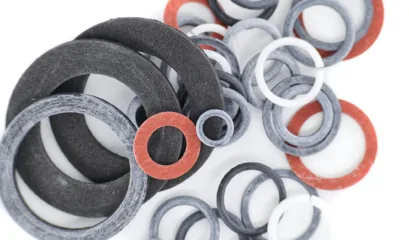
Gasket materials come in many forms – rubber, fibre, cork, graphite, metal, and more, each suited to different conditions. The right choice depends on how the gasket will be used and what it needs to resist.
Material | Best For | Temp Range (°C) | Notes |
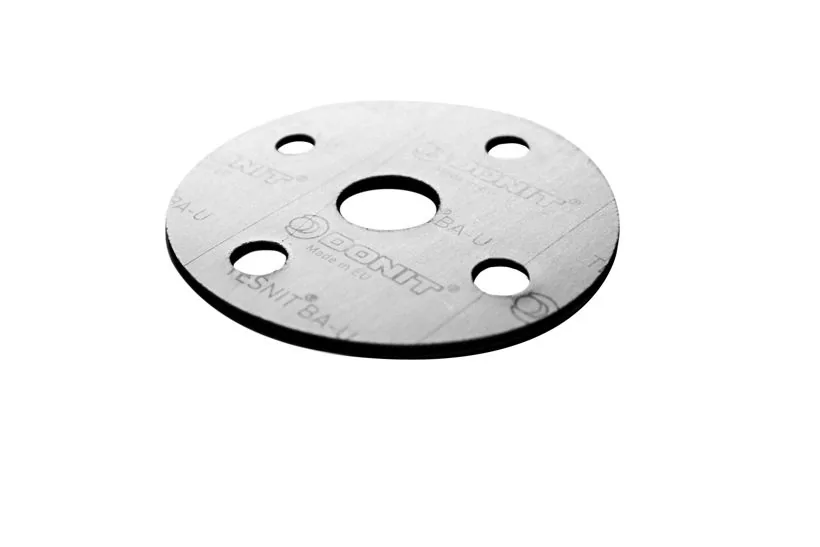
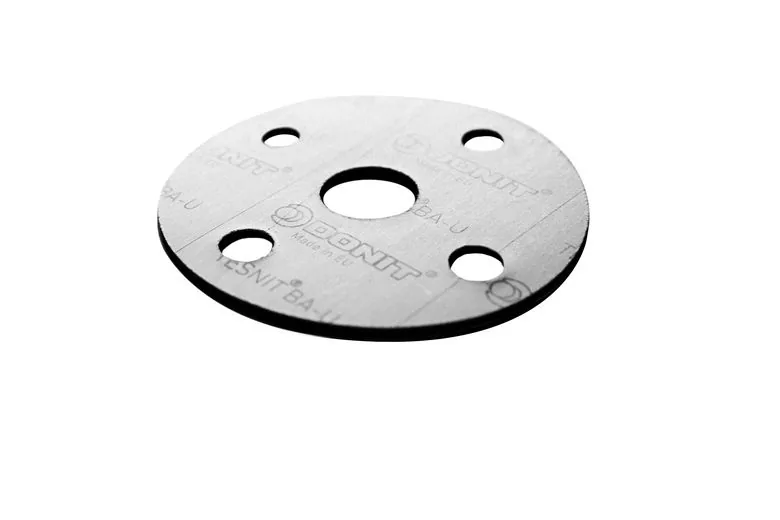
Compressed Fibre | General industrial use | Up to 400°C | Handles moderate pressure and chemical exposure |
Nitrile Rubber | Oil, fuel, and solvent contact | -40°C to 120°C | Good flexibility and chemical resistance |
EPDM Rubber | Water, steam, and outdoor use | -40°C to 150°C | Resists weathering, ozone, and heat |
Neoprene Rubber | Refrigerants, mild chemicals | -20°C to 120°C | Flame-resistant and flexible |
PTFE (Teflon) | Strong chemicals, high-purity applications | Up to 260°C | Chemically inert, low-friction surface |
Graphite | High temperatures and pressures | Up to 500°C+ | Excellent thermal stability |
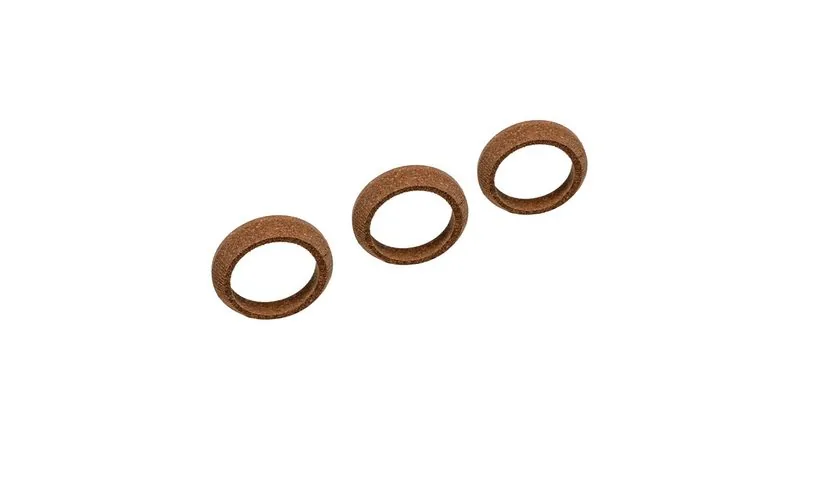
Cork | Light-duty applications | Up to 120°C | Good for vibration damping |
Metal | Extreme pressure, high-temp sealing | Varies (depends on metal) | Used in exhaust, engine, and flange sealing |
Potable EPDM | Drinking Water Applications | -40°C to 150°C | Resists weathering, ozone, and heat |
AS/NZS 4020 Approved Compressed Fibre | Drinking Water Applications | Up to 400°C | Handles moderate pressure and chemical exposure |
How to choose the Gasket Material
To choose the right gasket material, you need to match the material to the job it needs to do. The following factors help you make a clear and practical choice:
Temperature Range
Check the highest and lowest temperatures the gasket will face. A material that breaks down under heat or goes brittle in cold will fail.
Pressure Requirements
Understand the pressure inside the sealed system. Higher pressure often requires stronger materials like graphite or metal.
Chemical Compatibility
Identify the fluids or gases in contact with the gasket. Materials like PTFE resist harsh chemicals, while others may degrade over time.
Application Type
Is the seal static or moving? Static seals (like flanges) can use softer materials. Moving parts may need more durable options.
Industry Standards
Some industries have rules for material use. For example, food-grade applications require non-toxic, FDA approved materials.
Budget and Longevity
Short-term use may justify a lower-cost option. Long-term or critical applications usually need higher-quality materials to avoid failure.
Why Material Quality Matters
Not all gasket materials perform the same, even if they look similar. Low-quality materials may break down faster, leak under pressure, or fail when exposed to heat or chemicals.
Poor seals can lead to shutdowns, safety risks, and unexpected costs. In critical systems, a failed gasket can cause more damage than the part is worth.
Choosing high-quality material helps prevent this. It supports long-term performance, meets safety requirements, and reduces the chance of rework or replacement. It also ensures the gasket keeps its shape, stays sealed, and works as expected.
Why Choose Queensland Gaskets Materials
Queensland Gaskets has supplied high-quality gasket materials to Australian industries for decades. We understand how critical it is to choose the right material the first time.
Our stock range includes a selection of the Donit ® Tesnit Range of Compressed Fibre Gasket Materials, as well as a range of other rubber, cork, felt, foam, and plastic materials. If these don’t meet your needs we also have, spiral wound gaskets, flange gaskets, Blue-Max® boiler gaskets, and custom-made gaskets for specialised applications. Each gasket is produced with precision and backed by our in-house expertise.
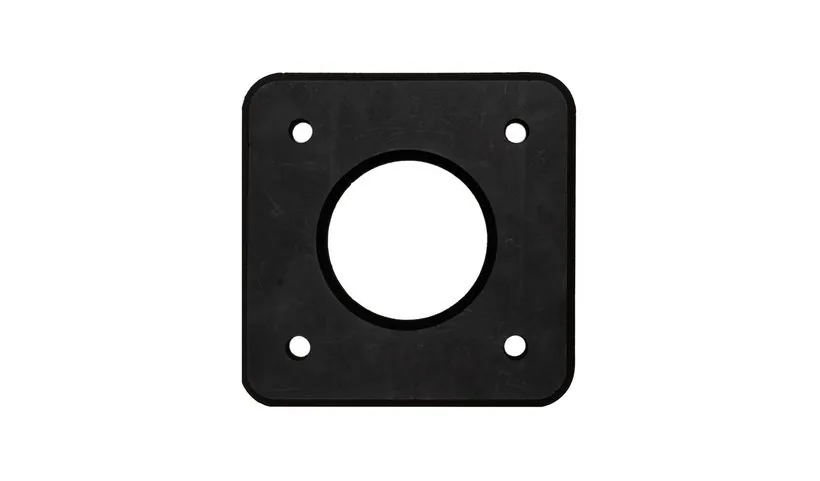
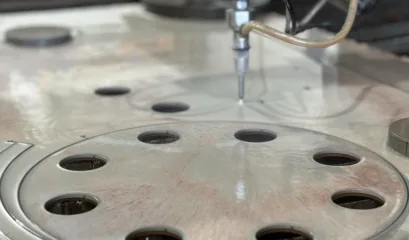
We work closely with your engineers and our material manufacturers to recommend the most suitable gasket for each job. Whether you need a standard size or a custom shape, we can cut and supply materials that meet your specifications.
We use trusted materials, apply strict quality control, and deliver results that last. Our focus is to help your equipment run safely and reliably.
Get the Right Gasket Material for the Job
Choosing the right gasket material is one of the most important steps in preventing leaks, reducing downtime, and protecting equipment. The material must match the demands of your application, temperature, pressure, media, and movement, all play a role.
If you’re unsure which material is best, speak with the team at Queensland Gaskets. We’ll help you choose the right gasket for the job and supply reliable materials.
Get in touch to request a sample, talk through your project, or place an order.