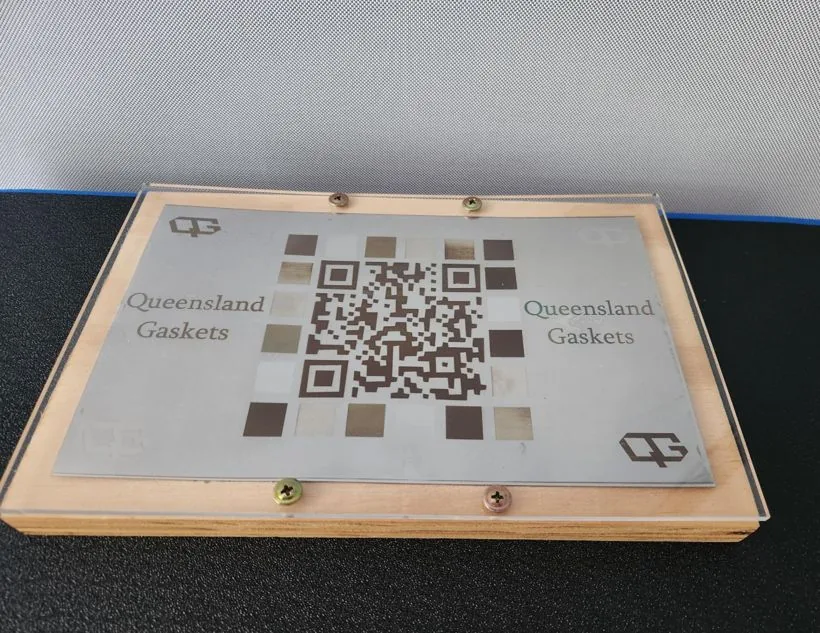

Laser etching is a marking process that uses a focused laser beam to create a permanent mark on the surface of a material. It is commonly used to mark tools, components, foam inserts, equipment cases, product parts, serial numbers, barcodes, logos, and identification labels.
Unlike stickers, printed labels, or paint, laser-etched marks are built into the surface. They are clean, precise, and resistant to wear, making them a practical choice for manufacturers, workshops, trades, industrial suppliers, and businesses that need reliable product identification.
What is Laser Etching?
Laser etching marks a surface by heating it with a focused beam. The laser causes the material to expand, creating a visible mark with slight texture and contrast.
Unlike engraving, which cuts deep into the material, etching only alters the surface. This makes the process faster, precise, and well-suited to high-volume work.
You’ll often see laser etching used for serial numbers, barcodes, logos, and decorative designs. It’s valued for speed, accuracy, and flexibility across metals, plastics, wood, foam, ceramics, and more.
How Does Laser Etching Work?
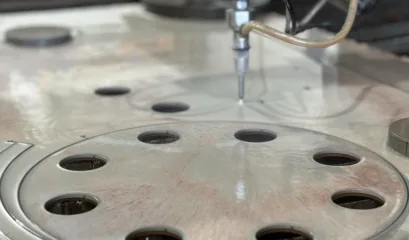
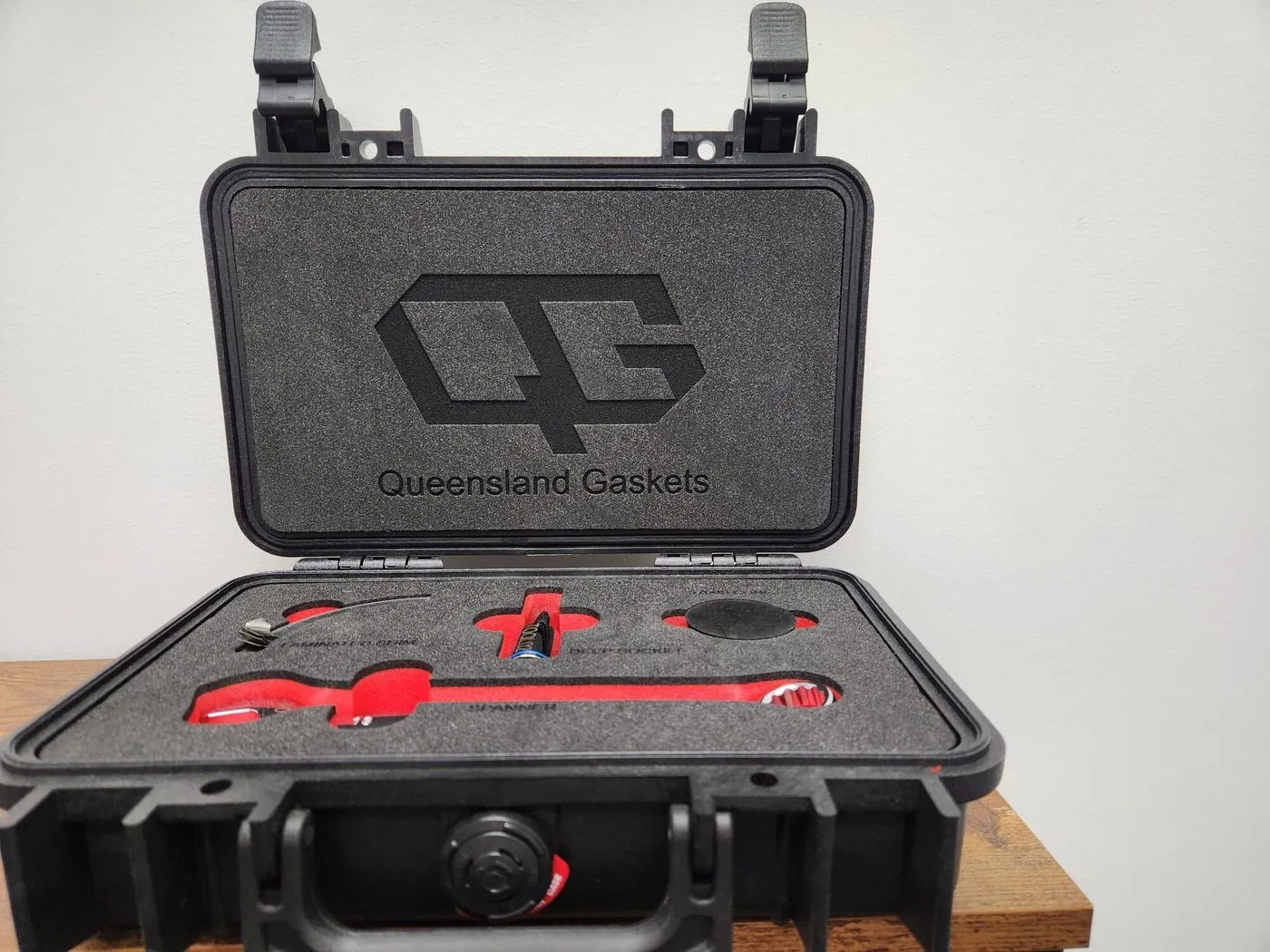
Laser etching works by directing a concentrated beam onto the surface of your chosen material. The laser produces intense heat that melts or vaporises the top layer, leaving a permanent, high-contrast mark.
Specialised software controls the process, ensuring the laser follows your design with accuracy and repeatability. This allows fine detail and clear results every time.
Materials That Can Be Laser Etched
Laser etching works on a wide range of materials, including:
| Metals | Stainless steel, aluminium, copper, and titanium. |
| Plastics | Acrylic, polycarbonate, and ABS. |
| Foam | Packaging, inserts, protective cases |
| Wood | Furniture, signage, and craft products. |
| Ceramics | Tiles, mugs, and medical tools. |
Each material reacts differently, but all achieve clear and durable marks. This flexibility makes laser etching a practical choice for both industrial and creative applications.
Tool and Product Identification
A key use of laser etching is tool and product identification. Businesses we work with rely on it to permanently mark tools, equipment, and components with serial numbers, barcodes, part codes, or logos.
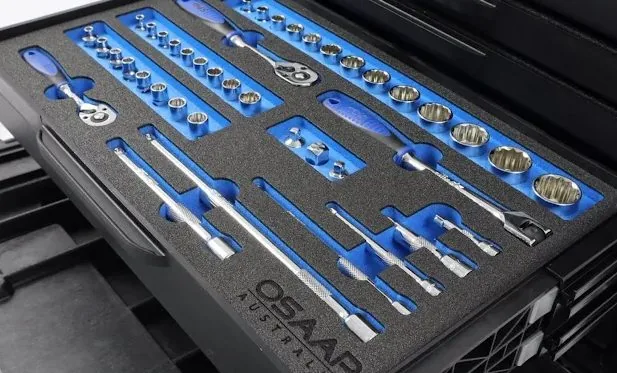
- For trades and workshops, tool etching makes for easy identification. If the tools are housed in a foam case insert you can also etch the foam with the part number of each tool for cross checking the right tool is in the right place
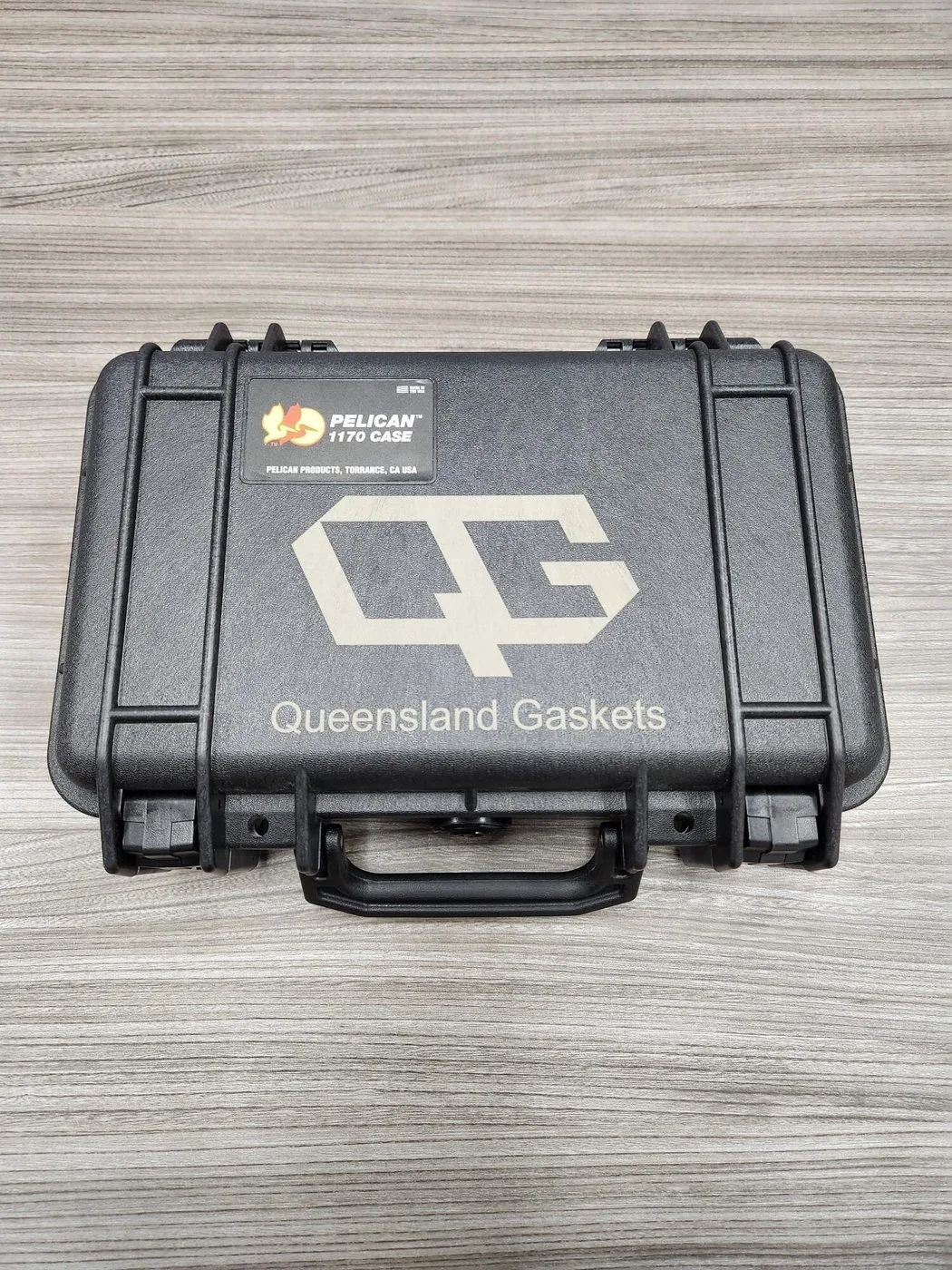
- For manufacturers, etching customers Tool cases with their logos is very popular
Because the marks withstand heavy use, heat, chemicals, and outdoor conditions, they offer a reliable and cost-effective alternative to stickers or printed labels.
Benefits of Laser Etching
Laser etching offers several advantages for your business:
- Accuracy – delivers fine detail with consistent results
- Durability – permanent marks that resist wear
- Versatility – works on metals, plastics, foam, wood, and ceramics
- Speed – efficient for high-production environments
- Cost efficiency – no inks, chemicals, or excess waste
- Environmentally friendly – clean, low-impact process
- Identification – Part Numbers can be Etched on individual tools.
Common Uses of Laser Etching
Laser etching is used across many industries:
- Manufacturing – serial numbers, barcodes, safety labels
- Jewellery – custom designs, initials, decorative patterns
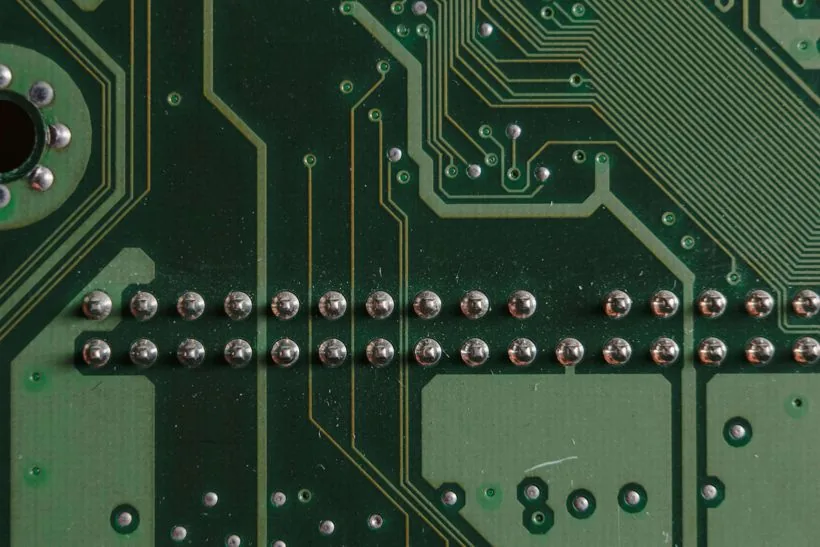
- Electronics – circuit boards, branding, identification
- Automotive – part tracking, compliance labels
- Consumer goods – promotional items, tools, personalised details
What Colours Can Be Etched?
The colour of a laser etch depends on the material:
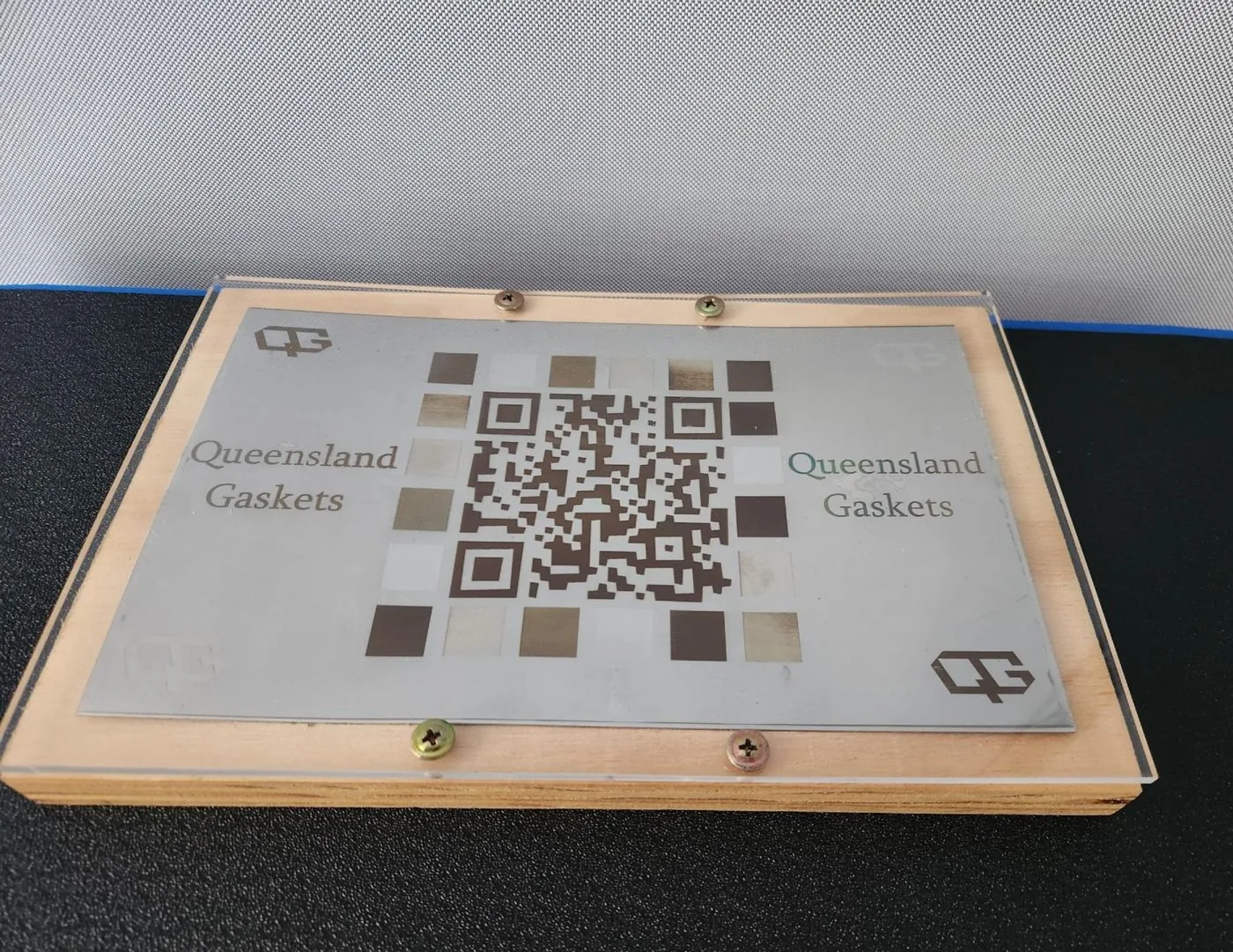
- Metals – typically black, grey, or white; some show subtle colour changes with controlled heating.
- Plastics – usually a white or frosted look, depending on additives
- Foams – The original colour of the foam is maintained..
- Wood and ceramics – generally a darker or frosted contrast.
Laser Etching vs. Laser Engraving
Laser etching changes only the surface, leaving shallow, smooth marks ideal for fine detail and speed.
| Feature | Laser Etching | Laser Engraving |
|---|---|---|
| Depth | Surface-level mark | Deeper cut into the material |
| Speed | Usually faster | Usually slower |
| Finish | Smooth, clear surface mark | Deeper groove or cut |
| Best for | Logos, part numbers, barcodes, foam inserts, tools, cases | Heavy-duty marking where deeper material removal is needed |
| Material impact | Minimal surface change | Removes more material |
| Common use | Product identification, tool marking, branding, traceability | Deep labels, plaques, industrial parts, signage |
Laser engraving cuts deeper into the material, producing grooves that are more resistant to heavy wear. Engraving is preferred when durability under extreme conditions is required, while etching is the better choice for detailed, high-volume work.
Thinking About Laser Etching?
Laser etching gives you a fast, accurate, and durable way to mark tools, products, or custom projects. From traceable serial numbers to barcodes for identification, it’s a versatile solution that works across industries.
If you’d like to explore how laser etching can help your business, get in touch with our team today.