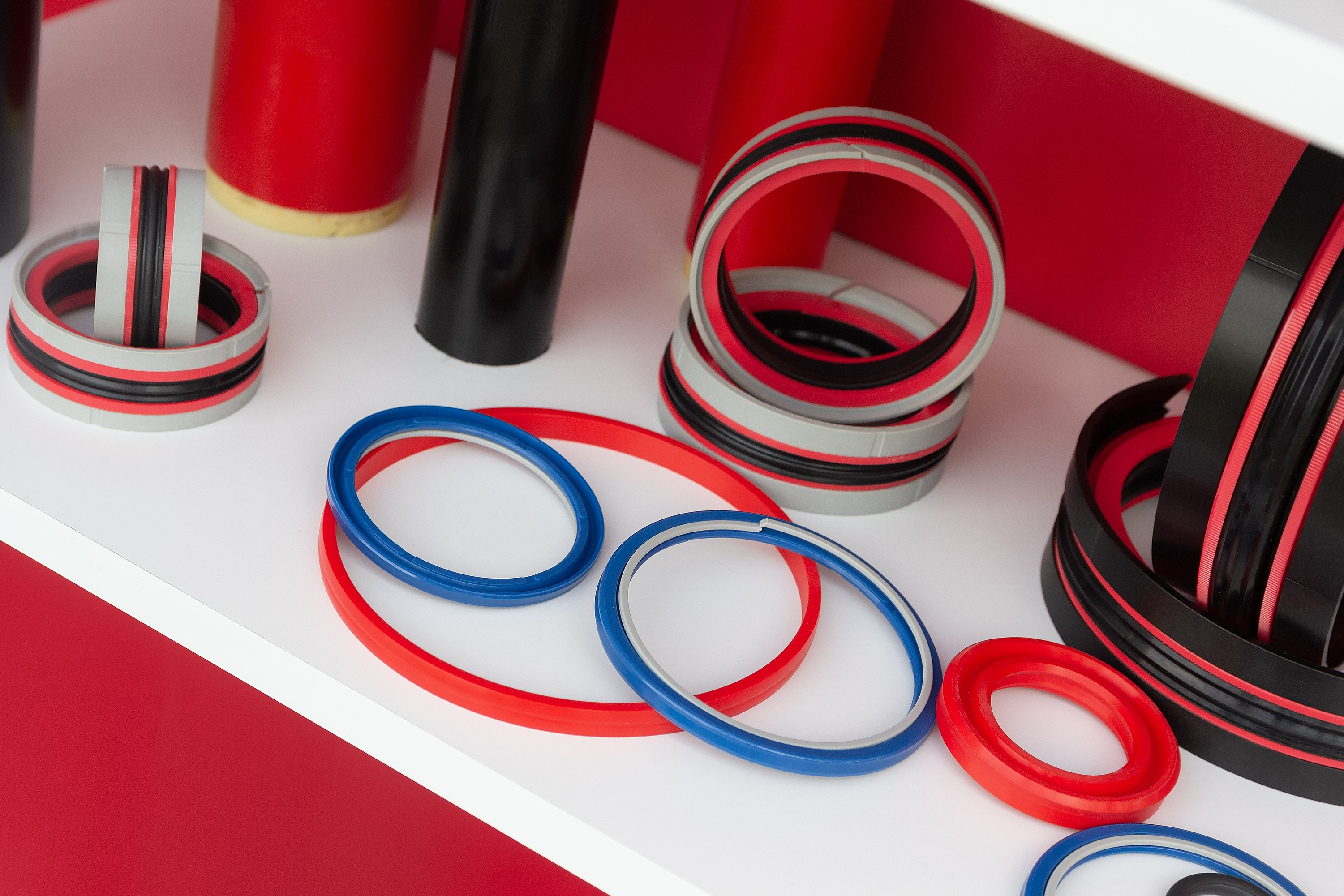
Choosing the right rubber material affects seal performance, service life, and system reliability. A rubber gasket must suit the pressure, temperature, and exposure conditions of the application. When the material does not match these conditions, leaks, downtime, and early failure can occur.
Natural rubber and synthetic rubber behave differently under load, heat, and chemical exposure. Understanding these differences allows engineers and buyers to select a gasket material that performs consistently and meets operational requirements.
Why Rubber Material Choice Matters in Gasket Design
Rubber material choice directly affects how a gasket seals, wears, and lasts in service. Each rubber compound reacts differently to pressure, heat, movement, and exposure. A material that performs well in one setting may fail quickly in another.
Operating pressure influences how a rubber gasket compresses and recovers. Temperature affects elasticity and long-term stability. Chemical contact can cause swelling, hardening, or breakdown. Movement and vibration place repeated stress on the seal. Environmental exposure, such as UV or moisture, can shorten service life.
What Is Natural Rubber?
Natural rubber is produced from latex extracted from rubber trees. It has a high level of elasticity and returns to shape well after compression. This makes it effective in applications that involve movement or repeated sealing.
Natural rubber performs best in low to moderate temperature ranges. It provides strong tear resistance and reliable sealing under light pressure. These properties suit water systems, mechanical joints, and general industrial use where oil and fuel exposure is not present.
Natural rubber does not perform well when exposed to oils, fuels, or high heat. Prolonged exposure can cause swelling, loss of strength, or material breakdown.
Advantages and Limitations of Natural Rubber
Natural rubber offers strong flexibility and recovery under load. It maintains a tight seal when joints move or cycle under light pressure. The material resists tearing and abrasion in controlled conditions, which supports consistent gasket performance.
Natural rubber has clear limits. It does not resist oils, fuels, or many chemicals. Heat exposure reduces elasticity and shortens service life. Outdoor use can also cause material degradation due to UV and weather exposure.
Natural rubber suits applications with stable temperatures, low chemical contact, and regular movement. It does not suit high-temperature systems or environments with oil or fuel exposure.
What Is Synthetic Rubber?
Synthetic rubber is produced using controlled chemical processes rather than natural latex. Manufacturers design each compound to deliver specific performance traits, such as heat resistance, chemical stability, or weather tolerance.
Synthetic rubber provides consistent material properties across production batches. This consistency supports reliable gasket performance in demanding or regulated environments. Many synthetic rubbers also maintain their shape and sealing ability under higher temperatures and longer service cycles.
Different synthetic rubber types suit different operating conditions. Material selection depends on exposure, pressure, and compliance needs rather than general flexibility alone.
Common Synthetic Rubber Types Used in Gaskets
Different synthetic rubber compounds suit different operating conditions. Each type offers specific performance benefits and limits.
Nitrile (NBR) resists oils, fuels, and grease. It suits hydraulic systems, fuel handling equipment, and mechanical assemblies with oil exposure. Nitrile does not perform well in high heat or outdoor environments.
EPDM resists water, steam, ozone, and weather exposure. It offers outstanding resistance to sunlight, making it suitable for long-term outdoor use. EPDM is resistant to many acids, alkalis, and polar substances, which supports use in water systems and HVAC applications. It does not resist oils or fuels.
The potable variant is suitable for applications where there is exposure to drinking water.
Neoprene provides balanced resistance to weather, moderate chemicals, and mechanical wear. It suits general industrial applications where conditions vary but remain controlled.
Silicone handles extreme temperature ranges and maintains flexibility in hot and cold environments. It suits applications with thermal cycling or hygiene requirements. Silicone has lower tear strength than other rubber types. It is suitable for food applications where the material is FDA-approved.
Viton is a high-performance fluoroelastomer (FKM) used where standard rubbers cannot perform. It offers excellent resistance to extreme heat, aggressive chemicals, oils, fuels, and solvents, making it suitable for demanding sealing applications in automotive, aerospace, and chemical environments. Viton maintains stability under sustained heat and chemical exposure but has reduced flexibility at very low temperatures. It is a premium material with a higher cost than alternatives such as nitrile or neoprene and is commonly used for gaskets, O-rings, and linings in harsh operating conditions.
Selecting the correct synthetic rubber depends on the operating environment and performance demands of the gasket.
Natural Rubber vs Synthetic Rubber
Natural rubber and synthetic rubber perform differently under operating stress. Material choice depends on how the gasket will be used rather than cost or availability alone.
Natural rubber provides high elasticity and strong recovery after compression. It suits applications with movement, low pressure, and limited exposure. It performs poorly when exposed to oils, fuels, high heat, or outdoor conditions.
Synthetic rubber offers controlled performance across a wider range of environments. Many synthetic compounds resist heat, chemicals, weather, or oil exposure. This makes them suitable for demanding industrial systems and longer service cycles.
Temperature tolerance differs significantly. Natural rubber suits lower temperature ranges. Many synthetic rubbers maintain stability at higher or fluctuating temperatures.
Chemical resistance also varies. Natural rubber breaks down when exposed to oils and fuels. Synthetic rubbers such as nitrile and EPDM handle specific chemical exposures reliably.
There is no single best rubber gasket material for all applications. The correct choice depends on operating conditions, exposure risks, and performance requirements.
How to Choose the Best Gasket Material for Your Application
The best gasket material depends on how the seal will operate in service. Material selection should start with the conditions the rubber gasket will face.
Operating temperature sets the usable material range. High heat limits natural rubber use and favours synthetic compounds designed for thermal stability. Low temperatures also affect flexibility and sealing recovery.
Exposure to oils, fuels, or chemicals narrows material options. Natural rubber does not suit these conditions. Synthetic rubbers such as nitrile or EPDM offer better resistance when exposure is known and consistent.
Joint movement and vibration affect material fatigue. Applications with frequent movement require rubber with strong recovery and tear resistance. Static joints allow a wider range of materials.
Environmental exposure matters. Outdoor use, moisture, and UV exposure shorten gasket life if the material does not resist weathering.
Compliance requirements and service life expectations should also guide material choice. Selecting the correct rubber gasket reduces maintenance and supports long-term system reliability.
Industry Examples of Rubber Gasket Selection
Different industries place different demands on rubber gasket materials. Material choice reflects operating conditions, safety requirements, and service expectations.
Mining equipment often operates under high load, vibration, and dust exposure. Synthetic rubber compounds are commonly used to manage abrasion, heat, and oil contact while maintaining seal integrity.
Energy infrastructure requires gasket materials that handle pressure, temperature variation, and long service cycles. Synthetic rubbers selected for chemical and thermal resistance support reliable sealing in these environments.
Rail applications involve movement, weather exposure, and repeated stress. Materials such as EPDM or neoprene are often chosen to manage vibration and outdoor conditions without rapid degradation.
Manufacturing plants use a mix of rubber gasket materials depending on the process. Natural rubber may suit water or low-pressure systems, while synthetic rubber is used where oils, heat, or chemicals are present.
When Custom Gasket Materials Are Required
Standard rubber materials do not suit every application. Some systems operate under mixed conditions that place competing demands on the gasket. These situations often require custom material selection or compound adjustment.
Applications may involve combined heat and chemical exposure, irregular sealing surfaces, or non-standard pressures. In these cases, a single off-the-shelf rubber gasket may not deliver reliable performance.
Custom solutions allow material properties to be matched to the operating environment. This can include adjusting hardness, thickness, or compound selection, as well as producing gaskets in non-standard shapes or sizes.
Getting the Best Rubber Gasket Material for Long-Term Performance
Long-term gasket performance depends on matching the rubber material to the operating environment. Temperature, pressure, movement, and exposure all influence how a rubber gasket seals and ages over time.
Natural rubber suits controlled conditions with low heat and no oil exposure. Synthetic rubber suits applications with higher stress, chemical contact, or outdoor exposure. Selecting the correct material reduces maintenance, limits unplanned downtime, and improves system reliability.
Speak With a Gasket Material Specialist
Selecting the right rubber gasket material often requires application-specific insight. Operating conditions, compliance needs, and service expectations all affect material performance.
Queensland Gaskets supports material selection through practical review and manufacturing expertise. This includes advice on natural rubber and synthetic rubber options, custom gasket production, and fit-for-purpose material selection.
For support with choosing the best gasket material for your application, contact the Queensland Gaskets team to discuss your requirements.