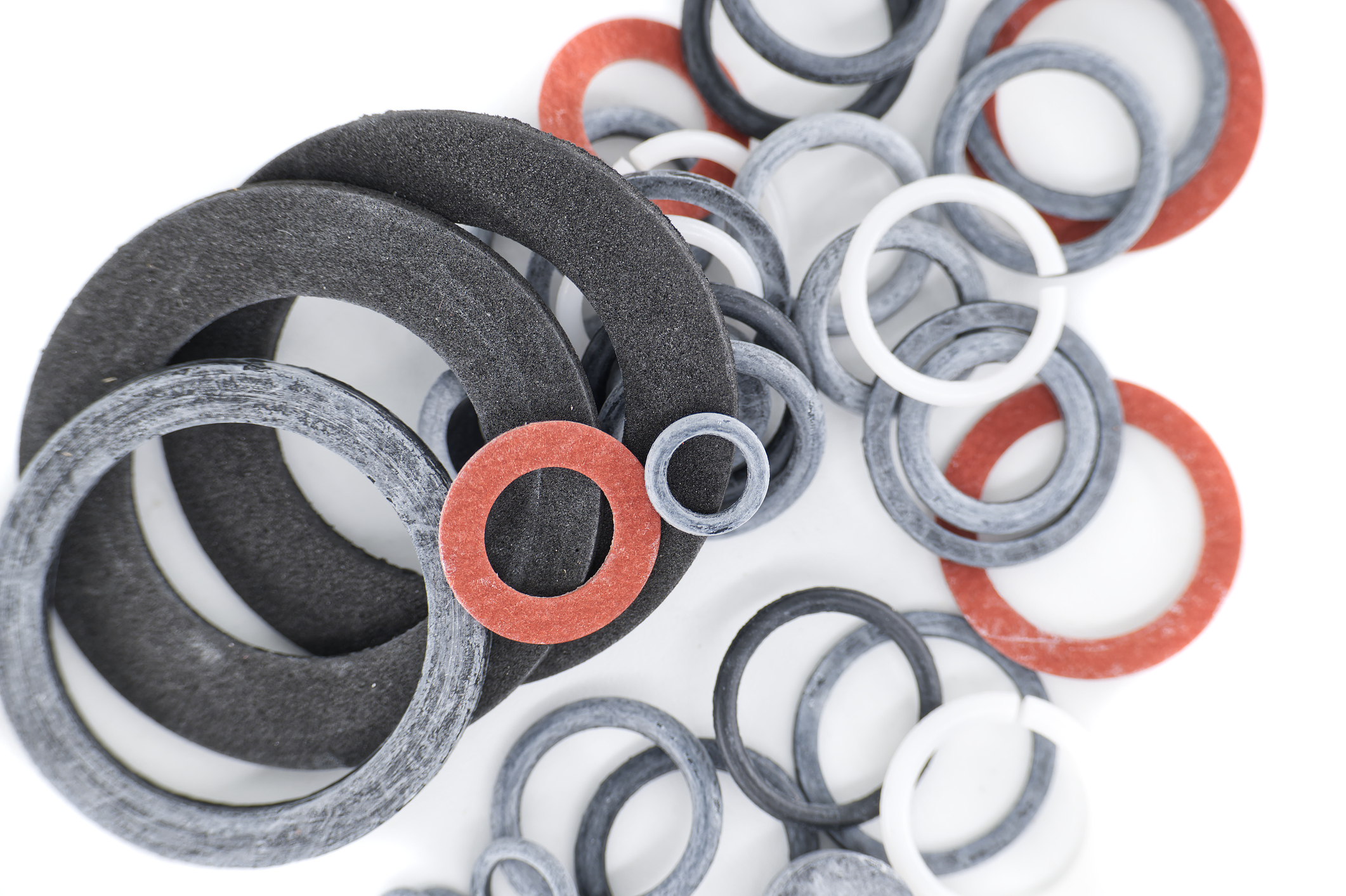
Food processing equipment relies on seals that prevent leaks, contamination, and product loss. Gaskets play a direct role in food safety and compliance. A poor gasket choice can allow bacteria growth, material breakdown, or chemical leaching into food products.
Food grade gaskets use materials that remain stable during food contact, cleaning cycles, and temperature changes. These materials must meet hygiene standards and support consistent processing outcomes. The correct gasket also reduces downtime and supports audit requirements.
What Are Food Grade Gaskets?
Food grade gaskets are sealing components made from materials approved for use in food processing environments. These gaskets prevent leaks while maintaining hygiene and product safety. They sit in direct or indirect contact with food, cleaning chemicals, or both.
Food grade gaskets differ from standard industrial gaskets. They use food safe gasket materials that do not release harmful substances during normal operation. The material must resist breakdown from heat, pressure, moisture, and repeated cleaning.
Food grade gasket material must also support easy cleaning. Smooth surfaces reduce residue build-up and limit bacterial growth. This feature helps food processors meet hygiene standards and maintain consistent production quality.
In food processing, gasket selection affects safety, compliance, and equipment performance. The correct material supports clean operation and reduces the risk of contamination.
Hygiene and Compliance Requirements for Food Processing
Food processing operations must meet strict hygiene and compliance standards. Gaskets play a direct role in meeting these requirements. Materials must remain safe during food contact and withstand repeated cleaning cycles.
Food safe gasket materials must not contaminate food products. The material must resist chemical attack from detergents, sanitisers, and steam. It must also maintain its shape and sealing performance over time.
Many food processors specify FDA approved gasket materials to meet internal quality systems or export requirements. These materials meet defined criteria for food contact and material stability. Documentation and traceability often form part of audit and compliance checks.
Poor material choice increases the risk of product contamination, seal failure, and non-compliance. Selecting compliant food grade gaskets supports safe production, reliable equipment operation, and successful audits.
Common Food Grade Gasket Materials
Different food processing applications require different gasket materials. Each material offers specific performance characteristics related to hygiene, temperature, chemical exposure and contamination control.
Below are common food grade gasket material options used in food processing equipment.
Silicone
- Handles high and low temperatures
- Resists ageing and cracking
- Supports frequent cleaning cycles
- Suits static sealing applications
We carry silicones in a wide range of colours, thicknesses and hardnesses from 30 duro for applications where softer materials are required, through to standard 60 duro grades.
Blue silicone is widely used in the food industry because very few foods are blue. This makes any foreign objects or broken pieces easier to visually identify if they enter the process.
We also supply Metal Detectable Silicone. This dark blue silicone is infused with magnetic additives, allowing it to be detected by metal detection systems and often used in conjunction with X-ray equipment. It is commonly used in food and pharmaceutical manufacturing to reduce the risk of product contamination by identifying broken or dislodged components during processing.
In addition to its metal detection capability, it maintains all the standard benefits of silicone, including flexibility, thermal stability, and resistance to chemicals and UV exposure.
EPDM (Food Grade)
- Resists water, steam and cleaning chemicals
- Performs well in washdown environments
- Maintains flexibility over time
- Common in dairy and beverage processing
Food grade EPDM is typically supplied in white, making it easily identifiable in food production environments.
PTFE
- Provides strong chemical resistance
- Handles high temperatures
- Offers a non-stick surface that supports hygiene
- Suits aggressive cleaning processes
Nitrile (Food Grade Grades)
- Resists oils and fats
- Performs well in moderate temperature ranges
- Used in food handling and packaging equipment
- Requires grade confirmation for food contact use
Food grade Nitrile is generally supplied in white for easy identification in processing environments.
Volta Rubber (Thermoplastic Elastomer)
Volta Rubber is a Thermoplastic Elastomer used in homogeneous conveyor belts.
- Designed for hygienic food processing environments
- Cut resistant and durable
- Will not fray
- Does not absorb water, oils or bacteria
- Ideal for food manufacturing applications
We also supply the Metal Detectable variant of this material, providing additional contamination control within food production systems.
Compressed Fibre
- Used in low-risk, non-product contact areas
- Offers cost control in suitable applications
- Requires careful material selection for compliance
Each food safe gasket material suits specific operating conditions. Material selection should align with temperature, pressure, cleaning method, chemical exposure and food contact requirements to maintain compliance and equipment reliability.
Choosing Food Safe Gasket Materials for Your Application
Gasket performance depends on how well the material suits the application. Food processing equipment places specific demands on seals due to hygiene, cleaning, and operating conditions.
Start by identifying the type of food contact. Direct contact requires stricter material controls than non-contact areas. The gasket material must remain stable during exposure to food products and cleaning agents.
Review the cleaning process. Cleaning-in-place and steam cleaning expose gaskets to heat, pressure, and chemicals. Food safe gasket materials must resist swelling, cracking, and surface breakdown during repeated cycles.
Consider operating temperature and pressure. Some food grade gasket material options perform well at high temperatures, while others suit lower temperature systems. Pressure levels also affect seal performance and service life.
Assess mechanical movement and wear. Static seals differ from seals exposed to vibration or movement. The correct material reduces wear and limits maintenance issues.
Risks of Using the Wrong Gasket Material
Incorrect gasket selection creates safety and operational risks in food processing environments. The material may fail under heat, pressure, or cleaning conditions.
Some materials break down when exposed to food products or cleaning chemicals. This breakdown can release particles or chemicals into the process. Contamination can lead to product loss and recall risk.
Poor material choice can also cause seal failure. Leaks increase downtime and disrupt production schedules. Frequent gasket replacement raises maintenance costs and labour time.
Non-compliant materials can cause audit failures. Missing certification or traceability may result in corrective actions or halted production. Using the correct food grade gaskets reduces these risks and supports consistent, compliant operation.
Manufacturing Considerations for Food Grade Gaskets
Food grade gaskets require accurate manufacturing to maintain seal integrity and hygiene standards. Poor cutting or inconsistent tolerances can lead to leaks or uneven compression.
Precision cutting ensures consistent gasket shape and fit. Accurate dimensions support reliable sealing and reduce wear during operation. Clean cutting methods also limit material damage at the edges.
Material handling matters during production. Controlled processes reduce the risk of contamination before installation. Repeatable manufacturing supports consistent results across replacement parts and ongoing supply.
Food processing equipment often uses custom gasket shapes. Manufacturers must cut to drawings, samples, or existing components. Accurate reproduction helps maintain equipment performance and reduces downtime during maintenance.
Documentation and Traceability
Food processing operations rely on clear documentation to meet hygiene and compliance requirements. Gasket materials must support traceability from supply through to installation.
Food grade gasket material should come with material certification. This documentation confirms suitability for food contact and supports internal quality systems. Many processors require records during audits or inspections.
Traceability helps teams track material batches and replacement history. This process supports root cause analysis if issues arise. It also helps maintain consistency across equipment and production lines.
Clear documentation reduces compliance risk and supports audit readiness. Using food grade gaskets with verified material records provides confidence during inspections and routine reviews.
When to Use Custom Food Grade Gaskets
Standard gasket sizes do not suit every food processing application. Custom food grade gaskets support equipment with unique designs, tight tolerances, or older components.
Custom gaskets suit non-standard flanges, housings, and covers. Many food processing plants operate legacy equipment that no longer matches off-the-shelf parts. A custom gasket restores sealing performance without equipment replacement.
Equipment upgrades also benefit from custom food grade gasket material. Design changes can alter sealing surfaces or compression requirements. A custom solution helps maintain hygiene and compliance after modification.
Custom food grade gaskets also support improved service life. Correct fit reduces stress on the material and limits premature failure. This approach reduces downtime and supports consistent production outcomes.
How Queensland Gaskets Supports Food Processing Applications
Queensland Gaskets supplies food grade gaskets for hygiene-critical and regulated environments. We work with food processors, equipment manufacturers, and maintenance teams across Australia.
We source compliant food grade gasket material through established supply partners. We cut materials accurately to suit drawings, samples, or existing components. Our processes support repeatability for ongoing supply and maintenance needs.
We help customers select food safe gasket materials based on operating conditions, cleaning processes, and compliance requirements. This approach reduces risk and supports reliable equipment performance.
Our focus stays on material suitability, accuracy, and consistency. This ensures food grade gaskets perform as intended throughout their service life.
Speak With a Gasket Specialist
Selecting the correct food grade gaskets reduces compliance risk and supports reliable food processing operations. Material choice, fit, and documentation all affect performance and audit outcomes.
Our team can review your application, confirm suitable food grade gasket material, and support custom cutting where required. We work with new equipment, upgrades, and replacement parts.
Contact Queensland Gaskets to discuss food safe gasket materials for your equipment. We provide clear guidance based on operating conditions and compliance needs.